How Does Air Conditioning Actually Work in Your Home?
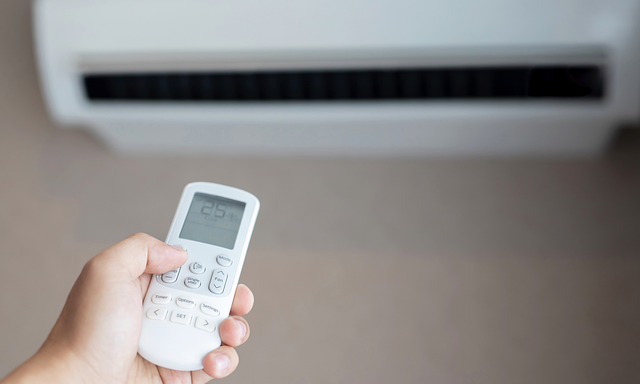
Many people rely on air conditioning every day, especially during hot American summers, but few truly understand how it works. If you’ve ever wondered “how does air conditioning work in a house?”, this guide breaks it down in simple terms.
The Basic Idea Behind Air Conditioning
Air conditioners don’t create cold air — they remove heat from inside your home and move it outside. This process relies on a closed system filled with a special chemical called refrigerant.
Key Parts of an Air Conditioning System
A typical home AC system has four main components:
- Compressor
- Condenser
- Expansion valve
- Evaporator coil
Each part plays a role in transferring heat.
How the Cooling Cycle Works
The refrigerant starts as a gas and is compressed, which raises its temperature. It then flows to the condenser unit outside, where it releases heat and turns into a liquid. The liquid refrigerant moves indoors to the evaporator coil, where it absorbs heat from your home’s air and evaporates back into a gas.
A fan then blows the cooled air through your vents and into your living spaces.
Why Air Conditioners Use So Much Electricity
Air conditioners consume a lot of energy because compressing refrigerant and running fans requires power. Poor insulation, dirty filters, and old systems can significantly increase electricity usage.
Why AC Systems Freeze Up
Many homeowners search “why is my AC freezing?”. This usually happens due to restricted airflow, dirty filters, or low refrigerant levels, which cause the evaporator coil to become too cold.
How to Improve AC Efficiency
Regular maintenance, changing filters, sealing leaks, and using a programmable thermostat can lower energy bills and improve cooling efficiency.
ALSO READ: How Do Credit Scores Work?